Leak Detection Adamstown
Water escaping somewhere out of sight is the plumbing fault that costs the most while you ignore it. Plumbers Adamstown runs leak detection across the suburb and into nearby Merewether and Kotara, finding the exact fault before a single hole gets cut.
The job is simple in principle. Prove the leak exists, trace it to a point, and quote the repair against that point rather than a guess.
Warning signs worth acting on
A bill that keeps climbing without any change
If the quarterly total rises while nobody in the house has changed a single habit, water is going somewhere you cannot see. A jump like that deserves a proper trace before the next bill lands.
Watch the meter while everything is off
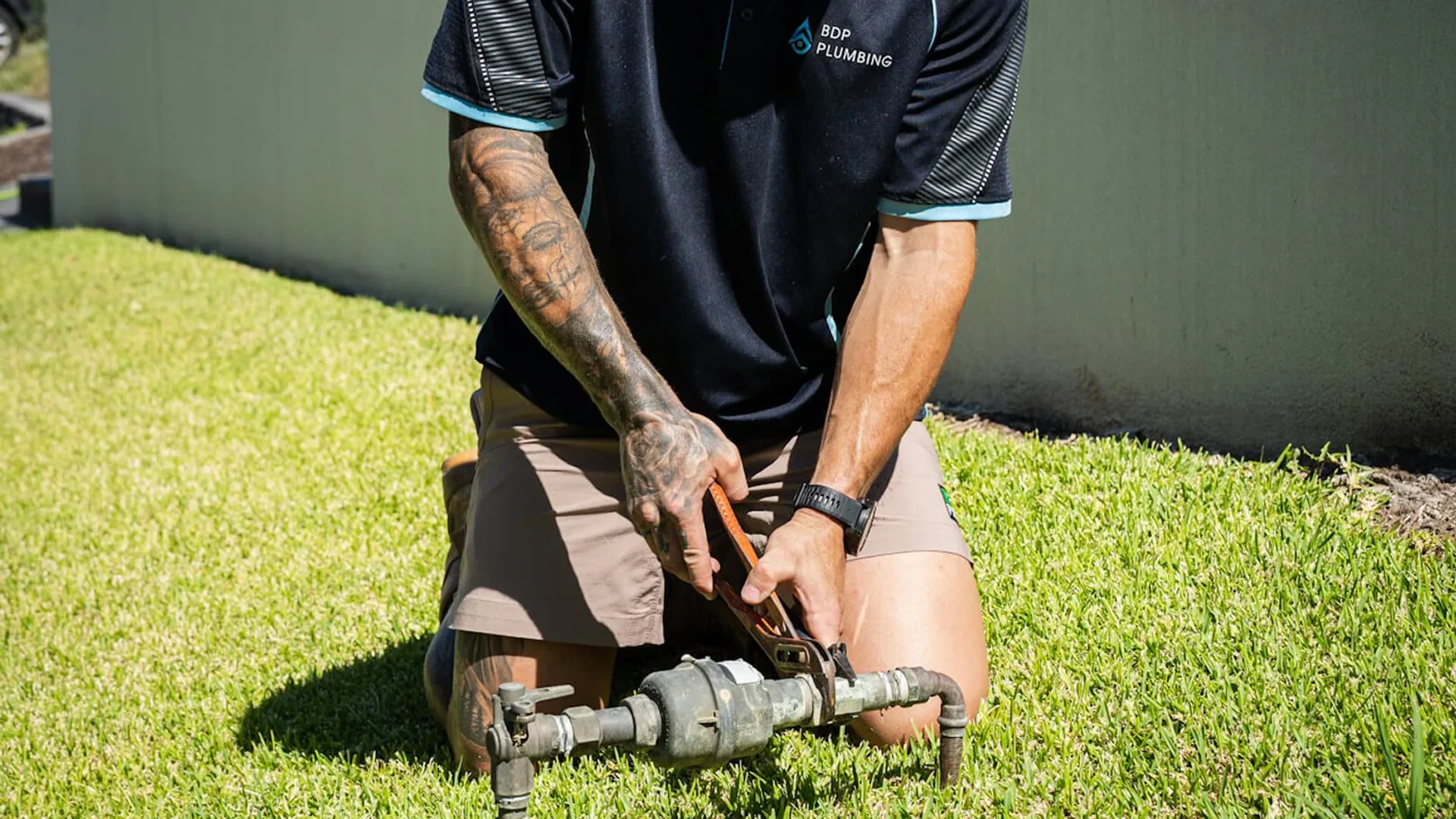
Turn every tap and appliance off, then watch the meter for half an hour. If the numbers creep while nothing in the house is running, water is escaping somewhere on your side of the line.
Damp patches that never had a spill
Paint lifting off a lining, a musty smell in a room nobody has spilled anything in, or a stain that grows week by week all point the same way. The source is rarely where the stain shows.
One warm tile on a concrete slab
A patch of floor that stays warm while the rest cools points at a hot water line leaking beneath the slab, and it will not fix itself. Every week it runs, the ground under it moves a little more.
Why locating beats guessing
Water travels along pipes and pools at the lowest point it can reach. The damp patch on your lounge room ceiling rarely sits under the actual fault, and the wet carpet rarely does either.
Open the wrong section of wall and you have paid for plaster, paint and a plumber, with the leak still running. Locating first means one opening, sized to the repair.
Why houses here leak the way they do
Galvanised steel that has rusted from within
Plenty of Federation and inter-war homes across the suburb still run galvanised supply pipes, and decades of corrosion thin the wall from the inside until it starts to weep at the weakest spot.
Reactive clay working the joints loose
The ground here runs to shale and reactive clay, which swells and shrinks between wet and dry spells. Buried joints get worked loose over the years, and a slow underground weep follows.
Original pipework in cottages from before 1940
Homes scattered around Fletcher Street Reserve (Laneway Park) and the old residential core often carry supply runs nearly as old as the house itself. Age tells eventually, and it usually tells quietly.
Newer infill brings its own risks
Census records show 445 dwellings approved in the five years to 2021, much of it infill along the renewal corridor. Newer townhouses bring flexi hoses, and those can let go without warning.
Finding the point before opening anything
Prove the leak exists before anything else
A meter test confirms water is actually escaping and gives a rough idea of how fast, which shapes whether we treat the job as urgent or book it onto a regular run for a scheduled visit.
Isolate one run at a time
Shutting off sections one at a time sorts the hot line from the cold and narrows the search from a whole house to a single run. That alone saves a lot of blind hunting.
Listen along the pipe and trace the damp
Acoustic gear listens along the line for the sound of water escaping under pressure, while moisture readings map how far the damp has spread through walls and floors around the suspected spot.
Mark the fault and quote the repair
The fault gets marked on the spot, and you get the repair price in writing before a single hole is cut. Nothing about the job is a guess once the point is found.
From found to fixed
Supply-side faults behind open walls
When corroded galvanised lines turn out to be the culprit, it is worth discussing a residential plumbing upgrade while the walls are already open. Replacing one bad length in a dying run rarely ends the story.
Faults below ground behave like drainage
Water escaping underground is a drainage problem by nature, and CCTV drain inspections show exactly what is happening in the line rather than guessing at the cause from the surface.
When the trail ends at the hot water run
A warm patch on a slab can point at the hot water line rather than the tank itself. Hot water repair is where that trail finishes, once the line is proven sound.
Not sure which side the fault sits on
If you cannot tell supply from drainage, the plumbing hub covers the full range and routes you to the right page. We sort that out on site anyway.
When a leak stops waiting
Most hidden leaks suit a scheduled visit. Water coming through a ceiling, a line you cannot isolate or wastewater rising through a floor are different animals, and emergency plumbing is the page for those.
If the culprit is a split supply line rather than a slow weep, burst pipes carries its own detail. Shut the meter off first if you can do it safely, then call.
Our regular run
Old cottages near the railway station, mid-century semis behind them and the newer infill climbing the slopes all sit on the same weekly run, so a follow-up after a repair costs you nothing in waiting.
Rain plays its part too. The suburb averages 1,128mm a year, most of it arriving as summer storms, and saturated ground is often when a joint that has been weeping underground for months finally shows itself at the surface.
Nearby coverage also takes in Kotara, Hamilton South and Adamstown Heights.
Leak detection FAQs
How do you find a leak you can't see?
Acoustic listening gear picks up the sound water makes escaping under pressure, pressure testing confirms which line is at fault, and moisture readings show how far the damp has spread. Nothing gets opened until the point is marked.
Why not just open the wall where it feels damp?
Water travels along pipes and pools at the lowest point, so the wet patch often sits well away from the fault. Locating it first means one opening instead of two or three.
What does leak detection cost?
The locating work is quoted before it starts, with no call-out fee to get us there. If a repair follows, that gets its own written price so you can see each part separately.
How do I check my water meter for a leak?
Turn every tap and appliance off, note the reading, and wait half an hour. If the meter has moved, water is leaving the system somewhere on your side and it is worth locating properly.
Do you repair the pipe once the leak is found?
Yes. Locating and repairing usually happen on the same visit where the schedule allows. The damaged section comes out and gets replaced with material suited to the age of your pipework.
Can a hidden leak damage the ground under my house?
It can. Water under a slab softens the footing, and in reactive clay soil movement follows moisture. The sooner the leak is stopped, the smaller the job on both pipe and ground.
Plumbers in Adamstown and the suburbs around it
Book your leak detection
Call (02) 4063 3422 and tell us what's happening. $0 call out across Adamstown, a clear quote before any work starts, and a job that gets made right if it isn't right the first time.